Why is my flat roof pooling water in Slidell
Ponding water on a flat roof in Slidell usually means a drainage or slope problem. Here's what causes it, what it costs to fix, and when to call us.
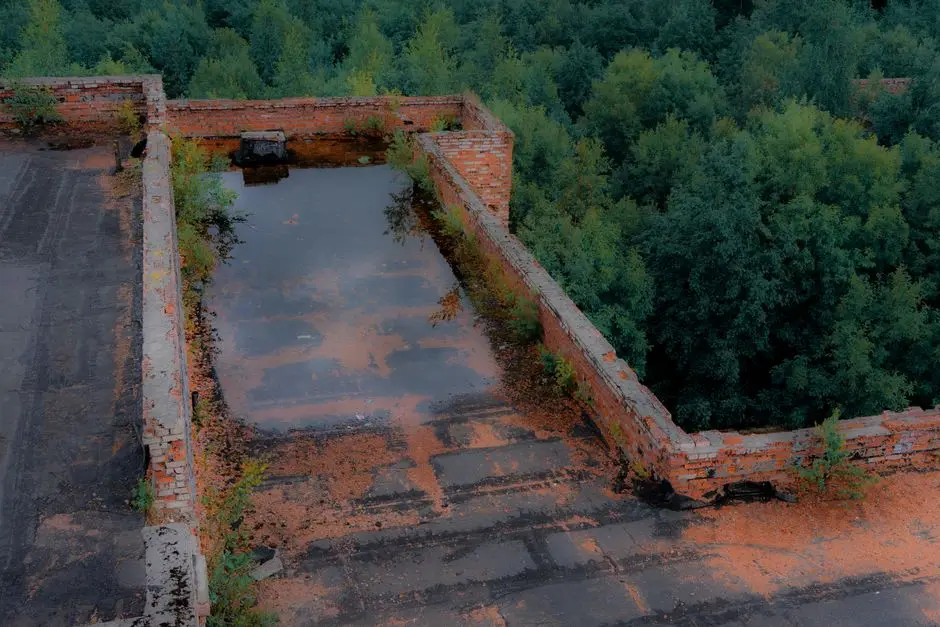
Flat roof pooling water in Slidell LA happens when the roof surface no longer sheds rain fast enough - either the slope has flattened out, the drains are clogged, or the membrane has sagged between joists. Standing water that lingers more than 48 hours after a storm is not normal, and it will find its way into your ceiling. The rest of this post breaks down the specific causes we see across Slidell, what repairs cost in 2026, and how to stop the cycle before it turns into a flat roof leak Slidell homeowners pay thousands to fix.
What causes flat roof pooling water in Slidell LA
Flat roof pooling water in Slidell LA is almost always a drainage or structural issue, not a roofing material failure. Water needs a path off the roof. When that path narrows or disappears, water sits. Here are the causes we find most often on low-slope roofs around St. Tammany Parish.
Clogged drains and scuppers
Pine needles, oak leaves, and the occasional tennis ball are the number one culprit. A single clogged drain on a 1,200-square-foot flat roof can hold 200 to 300 gallons of water after a two-inch rain. That weight - roughly 1,700 to 2,500 pounds - sits on your roof deck until it evaporates or you clear the drain. We pull debris out of Slidell drains every week that has been there since last fall.
Lost slope from settling or sagging
Flat roofs are not truly flat. They are built with a 1/4-inch-per-foot slope toward drains. Over 15 to 20 years, wood decking sags, insulation compresses, and that slope disappears. Once the low spot forms, water pools there every time it rains. On older commercial buildings in Roofing Downtown Slidell LA, we often find the original slope was only 1/8 inch per foot - barely enough when new, not enough after two decades of Louisiana heat.
Ponding water on flat roof Slidell Louisiana from damaged membrane
A blister, split, or open seam in the membrane lets water under the surface. That water saturates the insulation board, which gets heavy and sags, which creates a new low spot, which holds more water. It is a loop. By the time you see a ceiling stain, the wet area is usually three to four times larger than the visible damage.
Poor original installation
We inspect a lot of flat roofs that were installed without proper crickets around skylights, HVAC curbs, and chimneys. Water hits the curb, has nowhere to go, and backs up. A cricket is a small angled piece of decking that diverts water around an obstruction. Without one, you get a puddle on the uphill side of every penetration.
Why Slidell's climate makes ponding worse
Slidell averages 62 inches of rain per year, and most of it arrives in intense afternoon thunderstorms between May and September. That volume matters. A roof that sheds a light drizzle fine can still pond after a 20-minute downpour because the drains cannot keep up with the flow rate.
Add hurricane season - June 1 through November 30 - and you get wind-driven rain that pushes water uphill against seams and flashings. We also see thermal shock: surface temps on a black EPDM roof can hit 160°F in July, then drop 40 degrees in a thunderstorm. That expansion and contraction opens seams over time.
Homes near the water, especially across Roofing in Eden Isles, deal with higher humidity and salt air. Salt does not eat EPDM or TPO the way it eats metal, but it does accelerate corrosion on fasteners and metal edge flashing. Once the edge flashing rusts through, water wicks back under the membrane and ponds at the perimeter.
How to fix ponding water on flat roof Slidell Louisiana
How to fix ponding water on flat roof Slidell Louisiana depends on whether the problem is drainage, slope, or membrane damage. We start with a roof inspection to figure out which one you have. Here is the order we work in.
1. Clear and test the drainage system
First we remove debris from drains, scuppers, and gutters. Then we run a hose test to confirm water actually leaves the roof. If it drains but still ponds in the middle, the issue is slope, not blockage.
2. Add or repair crickets and tapered insulation
For low spots around HVAC units, skylights, and chimneys, we build crickets or install tapered insulation boards to re-establish the slope. This is the most common fix on commercial flat roofs in Slidell that were built before 2005.
3. Patch or replace damaged membrane
If the membrane is split or blistered, we cut out the damaged section, dry the insulation underneath, and patch with matching material. For roofs with widespread ponding and multiple leaks, a full Flat Roof Repair Slidell LA may be more cost-effective than patching piece by piece.
4. Apply a reflective roof coating
For roofs that are structurally sound but have minor ponding and surface wear, a Roof Coating Slidell LA can seal small cracks and add a layer of protection. Silicone coatings handle ponding water better than acrylic. We do not coat roofs with active leaks or saturated insulation - that just traps moisture.
5. Improve drainage capacity
Sometimes the fix is adding a second drain or enlarging the existing one. On a 2,000-square-foot roof, one 3-inch drain may not handle a Slidell thunderstorm. Adding a secondary drain or a scupper through the parapet can solve chronic ponding without re-sloping the whole roof.
What it costs to repair flat roof drainage in Slidell LA
Typical 2026 pricing in Slidell for flat roof drainage repair runs $350 to $900 for drain clearing and minor cricket work, $1,200 to $3,500 for membrane patching and localized re-sloping, and $6,000 to $14,000 for a full flat roof replacement on a 1,500-square-foot area. Roof coatings run $2.50 to $5.50 per square foot installed.
Those ranges depend on access, roof height, and how much wet insulation we find. A roof with one clogged drain is a $350 service call. A roof with saturated insulation across 400 square feet is a different job. We give you a written price before we start, and we do not add line items mid-job without your approval.
Common mistakes we see on Slidell flat roofs
We get called to fix other people's work more often than you would think. Here are the mistakes that cause the most repeat ponding.
- Coating over a wet roof. Silicone and acrylic coatings need a dry substrate. If there is moisture in the insulation, the coating blisters within a year.
- Using the wrong patch material. You cannot patch TPO with EPDM adhesive. We see this constantly on commercial flat roof Slidell buildings where a handyman tried to save money.
- Ignoring the source. A ceiling stain is a symptom. The water is entering somewhere else, often 10 to 15 feet away.
- Letting debris sit. One season of leaves in a drain can cause enough ponding to crack a seam.
- Not checking the flashing. Ponding water sits against edge flashing and penetrations. If the flashing is loose, water gets behind it.
We also see homeowners try to fix ponding by adding weight to the low spot - bricks, pavers, anything heavy. That makes it worse. You are adding load to a roof that is already sagging.
When to call a professional
Call us when water stands on your flat roof more than 48 hours after rain stops, when you see sagging between joists, or when you find a ceiling stain. Those are signs the problem has moved past a simple drain clearing.
We handle flat roof leak repair Slidell Louisiana homeowners and business owners call about every week. Our team inspects the roof, finds the actual entry point, and gives you a written scope before we start. We also handle Roof Maintenance Slidell LA plans that include drain clearing twice a year - once in spring before storm season and once in late fall after the leaves drop. That schedule prevents most of the ponding calls we get.
If you are not sure whether you need a repair or a replacement, we will tell you straight. Sometimes a $400 drain repair solves a problem a competitor quoted $9,000 to replace. We would rather fix what you have than sell you a roof you do not need.
Frequently Asked Questions
Why is my flat roof pooling water in Slidell LA?
Pooling water in Slidell is usually caused by clogged drains, lost slope from settling, or membrane damage that has created a low spot. Our 62 inches of annual rain and intense summer storms overwhelm drains that are partially blocked. If water stands more than 48 hours, you have a drainage or slope problem, not just a wet roof.
Is ponding water on a flat roof bad in Slidell Louisiana?
Yes. Standing water adds 5 to 8 pounds per square foot of load, accelerates membrane breakdown, and finds its way into seams and flashings. In Slidell's heat, ponded water also promotes algae and vegetation growth that further clogs drains. Ponding that lasts more than two days should be repaired.
How do I fix a flat roof that pools water in Slidell LA?
Start by clearing drains and scuppers, then run a hose test to see if water drains. If it still ponds, the fix is re-sloping with crickets or tapered insulation, patching damaged membrane, or adding drainage capacity. Most repairs take one to three days and cost $350 to $3,500 depending on scope.
Who repairs flat roofs in Slidell Louisiana?
Slidell Roofing repairs flat roofs across Slidell and St. Tammany Parish, including commercial buildings, homes, and additions. We handle drain clearing, membrane patching, re-sloping, coatings, and full replacements. Call (844) 468-1599 for a flat roof inspection and written estimate.
Can I just coat my flat roof to stop ponding?
Only if the roof is dry and structurally sound. Coatings seal small cracks and add UV protection, but they do not fix slope or drainage problems. Coating over wet insulation traps moisture and causes blisters. We test for moisture before recommending any coating.
Get help with Roofing in Slidell
If your flat roof is holding water, we can find the cause and fix it before the next storm. We serve homeowners and commercial property owners across Slidell with flat roof repair, coatings, and maintenance plans. Call (844) 468-1599 to schedule your inspection.