How to Stop a Roof Leak Temporarily Before Repairs
Stop a roof leak fast in Slidell with tarps, sealants, and smart containment. Learn temporary fixes that protect your home until permanent repairs.
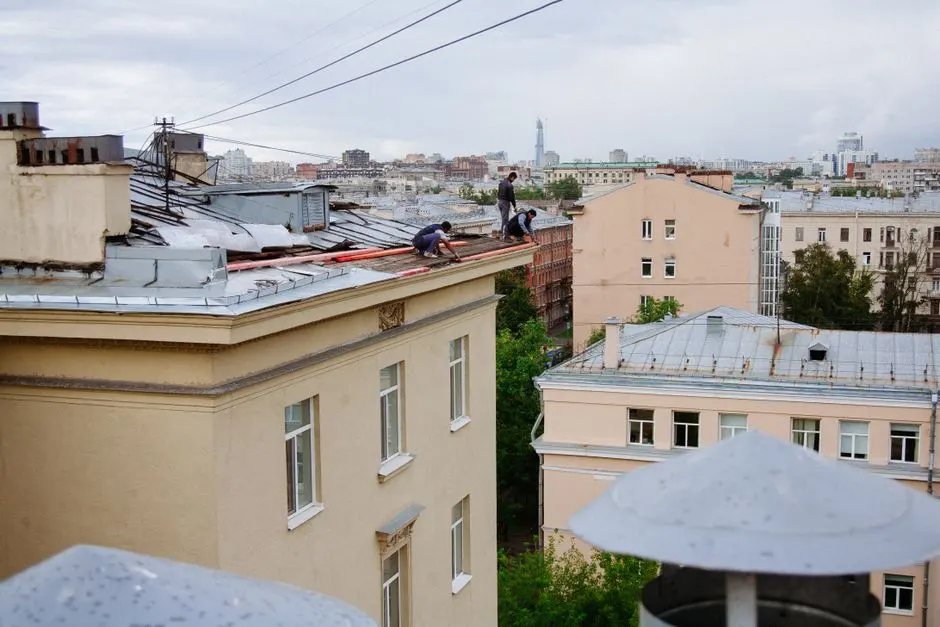
You can stop a roof leak temporarily by containing the water inside, applying a peel-and-stick patch or roofing sealant from the ground or a safe ladder, and tarping the damaged area if rain continues. The goal is to slow the water and protect your ceilings and insulation until a roofer can make permanent repairs. In Slidell, where afternoon thunderstorms and hurricane season push water through aging shingles fast, knowing these steps can save you thousands in interior damage. This guide walks you through finding the leak, choosing the right temporary materials, tarping safely, and knowing when to stop and call a professional.
Find the Leak Source First
Water rarely enters where you see the stain. It travels along rafters and decking before dripping through your ceiling, so the actual breach can be 10 to 15 feet away from the wet spot. Start in the attic with a flashlight during or right after a rain. Look for dark streaks on the wood, sagging insulation, or rusted nail heads. Those clues point you toward the entry point.
If you can safely get on the roof, check the obvious suspects: missing shingles, cracked flashing around chimneys and vents, and open seams on metal panels. In Slidell, wind-driven rain from the south and east often forces water under shingles that look fine from the ground. That is why a leak can appear during a storm but vanish on a dry day. Mark the area with chalk so you remember exactly where to patch.
If you cannot find the source after 20 minutes of looking, do not keep climbing around. Contain the water inside and call us for a Roof Leak Repair Slidell LA. We use moisture meters and infrared cameras to trace hidden leaks that visual inspection misses.
How Do I Stop a Roof Leak Temporarily in Slidell LA?
You stop a roof leak temporarily in Slidell LA by combining three actions: contain the water inside, seal or patch the exterior breach, and divert future rain away from the damaged area. No single step works alone. A patch without interior containment still lets water pool in your ceiling. Containment without an exterior fix means you are emptying buckets for days.
Here is the order that works best when you are dealing with an active leak:
- Contain first. Put buckets under the drip, move furniture, and lay plastic sheeting over carpets. If water is pooling in a sagging ceiling, poke a small hole at the lowest point with a screwdriver to let it drain into a bucket. That sounds counterintuitive, but a controlled drain prevents a full ceiling collapse.
- Patch the exterior. Use peel-and-stick flashing tape or a tube of roofing sealant on the damaged area. Press it firmly into place. This works best on dry surfaces, but many modern sealants bond to wet shingles well enough to slow the leak.
- Tarp if rain continues. A tarp over the affected section sheds water away from the breach. Secure it with ropes or screws, not just bricks. Wind will rip a loose tarp off in minutes during a Slidell thunderstorm.
If you are not comfortable on a ladder, skip the exterior steps entirely. A fall from a two-story roof is far more expensive than any water damage. Call us for Storm Damage Roof Repair Slidell LA and we will handle the temporary protection and the permanent fix.
What Can I Use to Patch a Roof Leak in Slidell Louisiana?
What you use to patch a roof leak in Slidell Louisiana depends on the roof type and the size of the breach. For asphalt shingles, peel-and-stick flashing tape is the fastest temporary fix. It comes in 4-inch and 6-inch widths, bonds in about 30 seconds, and holds through moderate rain. For metal roofs, use a butyl tape or a silicone-based sealant rated for metal. For flat roofs, a self-adhering modified bitumen patch works better than tape because it conforms to low-slope surfaces.
Roofing sealant alone is not a patch. It is a gap filler. If you have a 2-inch hole, sealant will sag and pull away within a day. Use tape or a patch for the hole, then sealant around the edges. That combination buys you more time.
Here is what we keep on our trucks for temporary repairs in Slidell:
- Peel-and-stick flashing tape - 4-inch and 6-inch rolls, works on shingles and metal.
- Butyl tape - sticks to wet surfaces, good for metal roof seams.
- Polyurethane roofing sealant - flexible, paintable, lasts through UV exposure.
- 6-mil plastic sheeting - for interior containment, not exterior patching.
- 1x4 lumber and screws - to secure tarps at the edges, not through the middle.
Do not use duct tape. It fails within hours in Louisiana heat and leaves a sticky residue that makes permanent repairs harder. Do not use expanding spray foam. It looks like it works for a day, then cracks and lets water straight through.
If you are dealing with a low-slope or flat roof, temporary patches are trickier because water pools instead of running off. Our team handles Flat Roof Repair Slidell LA for carports, additions, and commercial buildings, and we can usually get a temporary seal in place the same day you call.
Should I Tarp My Roof After a Storm in Slidell LA?
Yes, tarp your roof after a storm in Slidell LA if the roof is actively leaking and more rain is in the forecast. A properly secured tarp is the single most effective temporary measure for storm damage. It sheds water, blocks wind-driven rain, and prevents the damage from spreading while you wait for a permanent repair.
But tarping is not as simple as throwing a blue tarp over the ridge. Here is how to do it without making things worse:
- Use a tarp that overhangs the damage by at least 4 feet on every side. A tarp that just covers the hole will let water run underneath.
- Secure the edges, not the middle. Screw 1x4 boards through the tarp into the roof deck at the edges. Screws in the middle create new holes.
- Run the tarp from the ridge down past the eaves. Water needs to flow off the roof, not pool on top of the tarp.
- Do not nail through shingles if you can avoid it. Nails create new leak points. Use screws with neoprene washers if you must penetrate.
If your roof is steep, wet, or higher than one story, do not tarp it yourself. We do Roofing in Eden Isles and across the Slidell area, and we see tarp jobs every week that caused more damage than the original leak because the homeowner fell or screwed through a water line. Call us instead. We can usually have a temporary tarp on your roof within hours of your call.
Contain the Water Inside Your Home
Interior containment is the part most homeowners skip, and it is the part that saves your drywall, insulation, and floors. Water that drips into a bucket is water that is not soaking into your ceiling. Water that soaks into your ceiling becomes a mold problem within 24 to 48 hours in Louisiana humidity.
Here is what to do inside:
- Move furniture and electronics out of the way. Even a small drip can ruin a laptop or a wood table finish.
- Lay plastic sheeting over carpets and rugs. Tape the edges to the floor with painter's tape.
- Use buckets or bins under every drip. Check them every few hours. A slow drip can fill a 5-gallon bucket overnight.
- If the ceiling sags, drain it. Poke a small hole at the lowest point with a screwdriver and let the water drain into a bucket. This prevents a sudden collapse.
- Run fans and a dehumidifier. Moving air dries the area faster and reduces mold risk. Keep the dehumidifier running for at least 48 hours after the leak stops.
If you see mold or smell that musty, earthy odor within a few days, call us. We can inspect the roof and help you figure out whether the moisture is coming from an active leak or from trapped humidity. Our Roof Inspection Slidell LA includes a moisture check and a written report you can use for insurance.
What to Watch Out For
The biggest mistake we see is homeowners patching the wrong spot. Water travels. If you patch the ceiling stain and the leak continues, you have wasted time and materials. Always trace the leak back to its source in the attic or on the roof before you patch.
Other common mistakes:
- Using duct tape or expanding foam. Both fail fast in Louisiana heat and make permanent repairs harder.
- Walking on a wet roof. Shingles are slick when wet, and a fall from even a single-story roof can be serious. If you are not sure-footed on a dry day, do not go up on a wet one.
- Ignoring a sagging ceiling. A sagging ceiling is a structural warning. Drain it and call a professional immediately.
- Waiting too long to call. A temporary fix buys you days, not weeks. The longer water sits, the more damage it does.
- Not documenting the damage. Take photos and videos before you patch or tarp. Your insurance adjuster will want to see the original condition.
If you are not sure whether your temporary fix is holding, call us. We can tell you over the phone whether you need immediate help or whether you can wait until morning.
When to Call a Professional
Call a professional when the leak is active and you cannot safely reach the roof, when the damage covers more than a few square feet, when water is pooling in a sagging ceiling, or when you have already patched the same spot twice and it still leaks. Those are signs the problem is bigger than a surface crack.
We handle emergency roof leak repair in Slidell Louisiana every week, especially after summer thunderstorms and tropical systems. Our team can tarp your roof, stop the water, and give you a clear plan for permanent repairs. We do not pressure you into a full replacement if a targeted repair will solve the problem. We also work directly with insurance adjusters on storm claims, which saves you time and paperwork.
If you are in Olde Towne, Downtown, or anywhere across the Slidell area, we can usually get to you the same day. Our Roofing in Olde Towne Slidell team knows the older homes and historic roofs in that neighborhood, and we know what temporary fixes hold up and which ones do not.
Frequently Asked Questions
How do I stop a roof leak temporarily in Slidell LA?
Contain the water inside with buckets and plastic sheeting, then patch the exterior with peel-and-stick flashing tape or roofing sealant. If rain continues, tarp the area with at least 4 feet of overhang on all sides. Call a roofer within 24 to 48 hours for a permanent fix.
What can I use to patch a roof leak in Slidell Louisiana?
Peel-and-stick flashing tape works best for asphalt shingles. For metal roofs, use butyl tape or a silicone sealant rated for metal. For flat roofs, use a self-adhering modified bitumen patch. Avoid duct tape and expanding foam - they fail within hours in Louisiana heat.
Should I tarp my roof after a storm in Slidell LA?
Yes, if the roof is leaking and more rain is coming. A properly secured tarp sheds water and prevents damage from spreading. Secure the edges with 1x4 boards and screws, not bricks. If the roof is steep or wet, call a professional instead of climbing up yourself.
Who does emergency roof leak repair in Slidell Louisiana?
Slidell Roofing handles emergency roof leak repair in Slidell Louisiana, including tarping, temporary sealing, and permanent repairs. We work with insurance on storm claims and can usually respond the same day. Call (844) 468-1599 for help.
How long does a temporary roof patch last?
A temporary patch lasts 1 to 4 weeks depending on weather and materials. Peel-and-stick tape holds longer than sealant alone. Tarps can last months if secured properly, but UV exposure breaks them down over time. Schedule permanent repairs within 30 days.
Get Help with Roofing in Slidell
If water is coming through your ceiling right now, do not wait for the next storm to make it worse. We can tarp your roof, stop the leak, and give you a straight answer on what permanent repairs will cost. Call Slidell Roofing at (844) 468-1599 for same-day emergency roof leak repair in Slidell Louisiana.